Nov 14, 2025 · Article
Faith at Work: How: Faith & Work for Christian Leaders
Article · Podcasts
What if your 9–5 job isn’t just a career—but a calling big enough to transform cities, restore dignity, and even change nations? This is the story that unfolds when you sit down with Mats Tunehag, one of the world’s most influential voices in the Business as Mission (BAM)…
What if your 9–5 job isn’t just a career—but a calling big enough to transform cities, restore dignity, and even change nations?
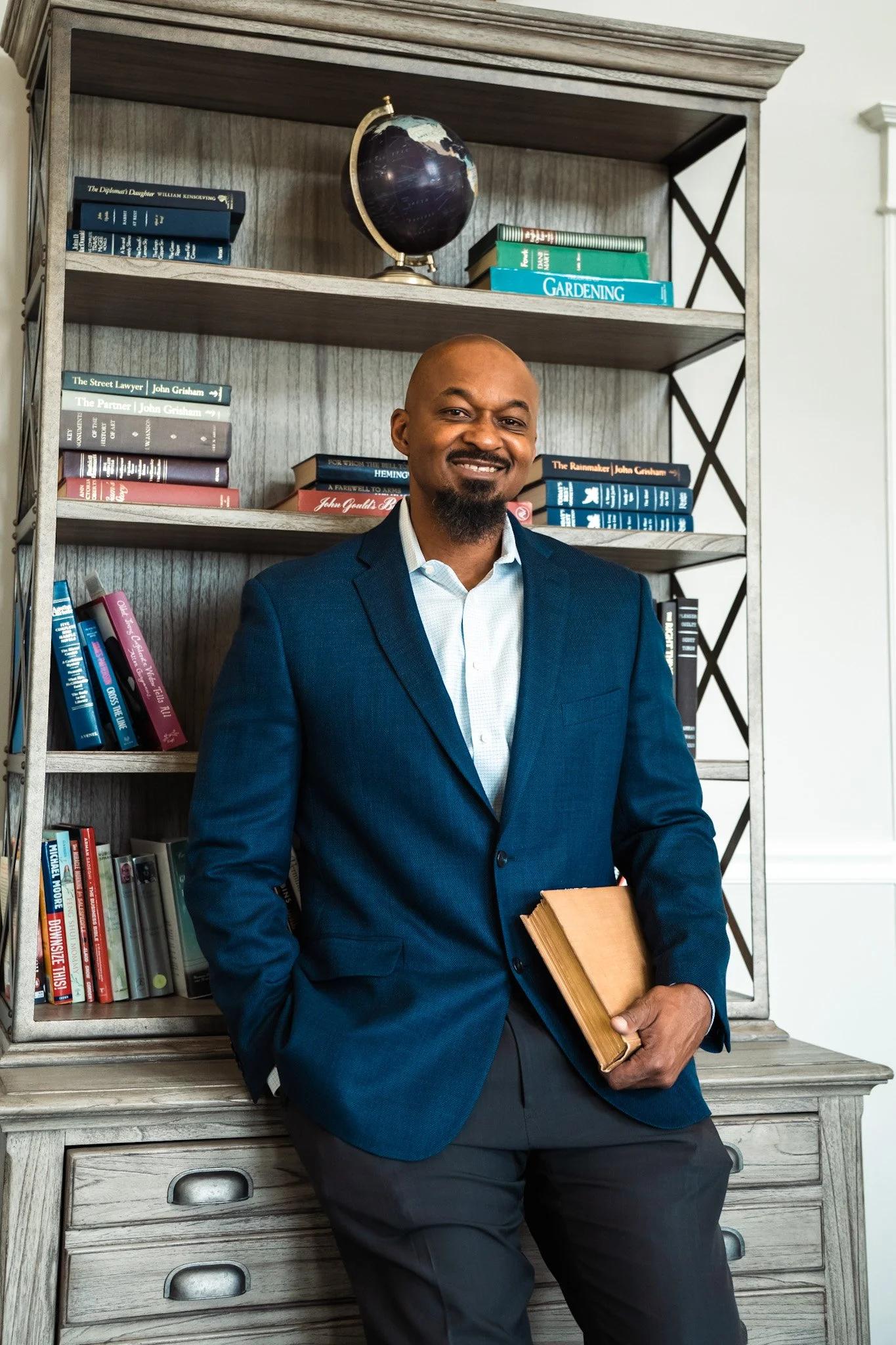
This is the story that unfolds when you sit down with Mats Tunehag , one of the world’s most influential voices in the Business as Mission (BAM) movement.
His journey—from studying maps as a Swedish preacher’s kid to shaping a global shift in how Christians approach business—is one of courage, clarity, and compassion.
And it’s exactly the kind of story that sits at the heart of Cities Project Global , where faith, work, and impact intersect.
A Childhood Obsession That Became a Global Calling Before Tunehag ever stepped onto a stage or led a global think tank, he was a twelve-year-old boy lying in bed at night, studying maps of the world and whispering a bold prayer: “God, send me to the places with the deepest needs.” He didn’t know what that would look like.
He didn’t know it would one day reshape mission strategy for churches, entrepreneurs, investors, and entire nations.
When the Soviet Union Collapsed, a Door Opened In the early 1990s, Tunehag landed in Central Asia after the Soviet Union collapsed.
Overnight, unemployment skyrocketed—from 0% to over 70% in some regions.
Millions were trafficked, displaced, or desperate.
Mission teams came with Bibles and Jesus films—good and necessary tools.
But something was painfully missing: “People can’t eat a Bible verse.
They needed dignity.” —Mats Tunehag That realization became the spark.
If broken economies produce broken families, maybe godly businesses can restore both.
The Birth of a Global Movement: Business as Mission (BAM) Tunehag knew this wasn’t simply about opening businesses in unreached nations.
So in 2002, he launched the first-ever global BAM think tank under the Lausanne Movement.
He gathered 75 leaders—entrepreneurs, theologians, pastors, economists—from every continent.
The question was simple: What does Scripture teach about business, work, wealth creation, and mission?
After months of research, thousands of emails, and a weeklong gathering in Thailand, something historic emerged: The Business as Mission Manifesto (2004).
A one-page theological foundation that removed the sacred-secular divide and gave the global church a new language for calling and vocation .
It defined business not as a “platform for ministry,” but as ministry itself.
Business as Mission is business that intentionally serves: The Four P’s (Tunehag’s BAM definition): People – serving customers, employees, suppliers, communities Purpose – aligning business with biblical values and God’s mission Planet – stewarding creation, innovating solutions, restoring broken environments Profit – ensuring sustainability, dignity, and ongoing blessing This wasn’t a slick slogan.
It was a theology of work deep enough to transform nations.
Why This Matters for Cities Project Global At Cities Project Global, we see the same reality Tunehag encountered: ✨ Most Christians spend 90,000+ hours at work. ✨ Less than 1% work in traditional ministry. ✨ And yet, most churches train people only for Sunday—not Monday.
Business as Mission reconnects calling to reality.
It gives believers permission to say: “My business is my mission field.” This is why the Leadership Circle course, the Intersection Podcast, and CPG’s global training efforts exist—to awaken and equip believers for this exact integration of faith + work + impact.
The Barrier: Churches Still Struggle to Embrace Marketplace Calling Tunehag shares a surprising truth: 0% of businesspeople he surveyed had ever heard a sermon on faith and work 0% had ever been asked by a pastor, “How can I pray for your business?” 100% had been asked for money No wonder so many Christian entrepreneurs feel like “second-class citizens in the kingdom.” But CPG believes the opposite: Work is worship.
And that’s why Cities Project Global teaches churches, leaders, and entrepreneurs how to reclaim this truth.
From Korea to Brazil to Indonesia: BAM Is Spreading Globally The BAM movement is not Western.
Tunehag shares remarkable examples: Korea has four BAM-integrated MBA programs Indonesia has 30,000 BAM entrepreneurs Central Asian nations now partner with BAM leaders Over 40+ global think tank reports and 20+ languages now support the movement This is global Christianity rebuilding cities through business.
South Korea Lesson Tunehag often points to one of the most powerful illustrations in modern history: Two nations.
Yet one is free, flourishing, innovative.
The other is starved, oppressed, and economically frozen.
Originally published at citiesprojectglobal.com