Jun 5, 2026
The Leadership Paradox Nobody Talks About
The Leadership Paradox Nobody Talks About The best leaders are often the ones who never wanted power. The most influential people in history frequently came to prominence reluctantly. And the most transformative movements were led by people who were terrified of the…
The Leadership Paradox Nobody Talks About The best leaders are often the ones who never wanted power.
The most influential people in history frequently came to prominence reluctantly.
And the most transformative movements were led by people who were terrified of the responsibility.
Power Seeks Itself Ambitious people make terrible leaders.
Because ambition wants something for itself.
And the moment you lead for yourself instead of others, you’ve already compromised the thing that makes leadership effective.
But when calling is your driver instead of ambition, something different happens.
You lead because you believe the work matters, not because you want the title.
And paradoxically, that’s when real influence emerges.
The Paradox: Strength Through Weakness Vulnerable leaders inspire trust.
Leaders who admit what they don’t know invite help.
Leaders who practice integration instead of compartmentalization earn respect because people know what they see is what they get.
This is the kind of leadership that multiplies instead of concentrating.
Stop Performing — The energy you spend maintaining an image is energy you could spend on your actual vocation .
Real leaders release the need to appear perfect. 2.
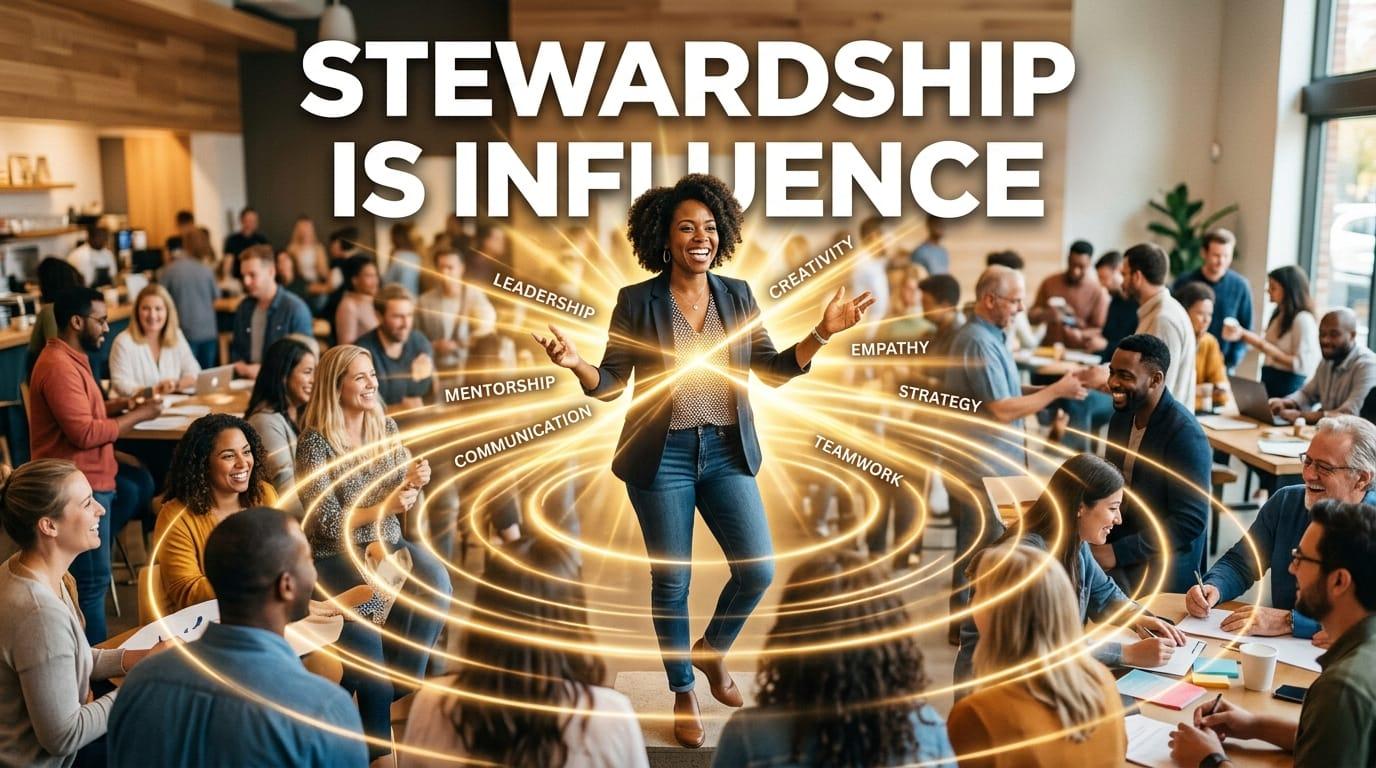
Lead From Service, Not Status — Stewardship is the leadership posture.
You manage things and people for someone else’s benefit, not your own advancement.
Choose People Over Metrics — The leader who gets results by burning out their team has failed, even if the quarterly numbers look good.
The leader who develops people, even if it slows short-term gains, is building something that lasts.
The Paradox Resolved You become a powerful leader by not seeking power.
You gain influence by releasing the need to control.
You build loyalty by being the same person in private and public.
This is the paradox of authentic leadership —and it’s the only kind that transforms organizations and cultures.
Originally published at citiesprojectglobal.com